
Dairy · Technology
How Data and Technology Help Dairy and Livestock Farmers Improve Cow Care and Milking Times
The dairy and livestock industries are evolving rapidly as new technologies and data-driven solutions change how farmers care for cows and manage operations. Cow care and milking are key areas of impact. Sensors, analytics, and automated systems help producers optimize processes, reduce waste, and improve overall efficiency.
This article explores how data and technology help dairy farms and livestock producers improve cow care and milking times. We examine innovations in sensors, automated milking, and analytics, alongside potential gains in productivity, labor efficiency, and animal welfare.
How Data and Technology Improve Cow Flow
As dairy farming grows, producers face increasing pressure to manage operations efficiently. Managing cow flow during milking is a key challenge. Larger herds and more complex routines make efficient, effective milking for every cow harder to achieve.
Many farmers are turning to data and technology. Some use sensors to track cow movement and identify when animals are ready for milking. This information supports more efficient schedules, shorter waits, and improved productivity.
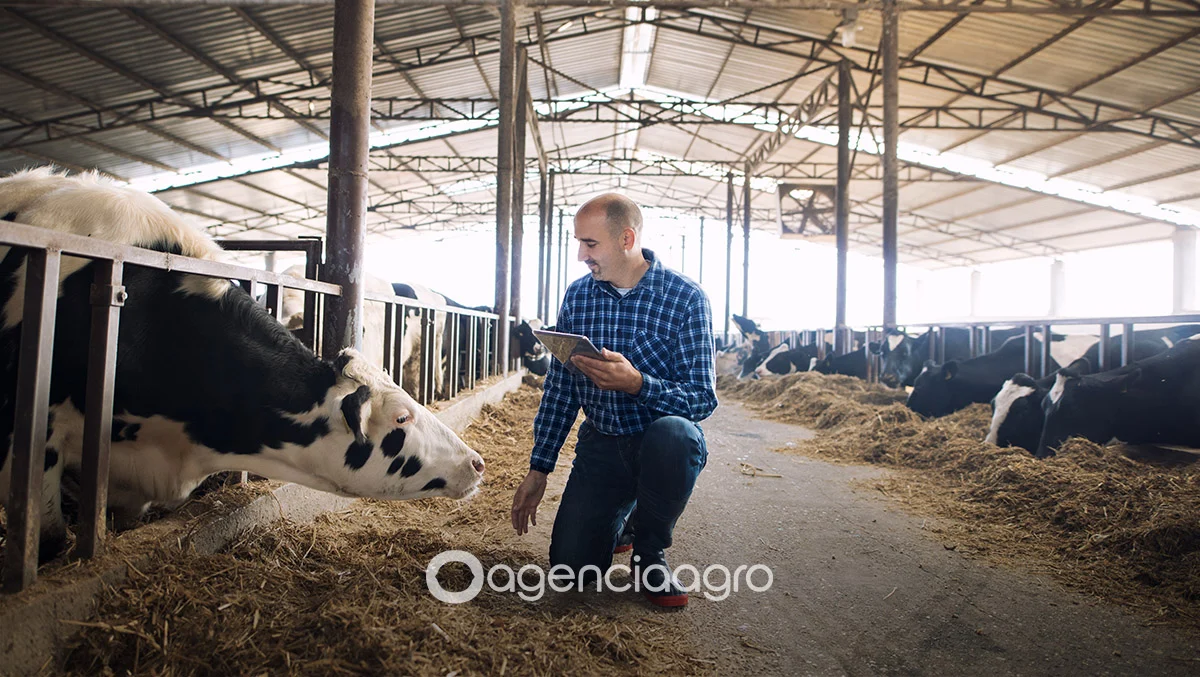
Automated milking systems can also improve flow. They milk cows without direct human intervention, reducing labor requirements and allowing farmers to focus on other tasks. Some systems monitor each cow’s milk quality, helping identify potential issues early and support corrective action.
Finding Cows in the Barn
Keeping track of individual animals is another challenge. In larger herds, ensuring each cow receives appropriate care can be difficult. Data and technology help producers monitor animals more effectively.
Ear-mounted sensors can track each cow’s movement and location inside the barn, showing where individual animals are at any time. These data support more efficient feeding and milking schedules, shorter waits, and improved productivity.
Some farms also use automated feeding systems programmed to provide appropriate amounts of feed and water, supporting consistent care for each animal.
Improving Milking Times with Data Analytics
A major benefit of technology is the ability to collect and analyze data to identify improvements. Milking-time trends, for example, can help farmers optimize processes and reduce overall time requirements.
Milking is central to dairy production, and the time involved affects operational efficiency. Traditional methods can be labor-intensive and time-consuming, increasing costs and reducing profitability. Data analytics can help streamline the process.
Milking involves preparation, milk extraction, post-milking teat treatment, and releasing the cow. The duration of each stage affects total time. Analytics can identify opportunities to optimize each step.
Analytics also makes it possible to track individual milk production. Equipment sensors collect yield data during each session, helping identify higher-producing cows and animals needing additional attention. This can inform milking priorities and scheduling to improve overall efficiency.
Behavior data can also identify cows needing additional preparation or post-milking care. Planning for these needs can reduce time per session and improve efficiency and profitability.
Behavior patterns may also indicate health concerns. Cows experiencing pain, for example, may behave differently during milking. Data can help identify animals needing veterinary attention, supporting earlier intervention and herd health.
Automated systems further optimize milking by reducing manual intervention. Sensors identify cows and attach milking cups automatically, reducing preparation time. They also detect the end of milking and remove cups, streamlining post-milking handling and release.
Data analytics can therefore help improve milking times and the wider process by identifying production patterns, preparation needs, and cows requiring extra care. Automated systems can support preparation and post-milking routines. Together, technology and analytics can improve efficiency, profitability, and cow health.
Frequently Asked Questions
Q: How can data analytics improve cow health?
A: Analyzing behavior can reveal patterns that suggest health concerns, including pain. Earlier identification can reduce the risk of complications.
Q: Can automated milking replace human labor?
A: Automated systems reduce direct intervention during milking but still require human supervision and maintenance.
Q: What are the benefits of improving milking times?
A: More efficient milking can reduce costs and improve dairy farm productivity and profitability.
With more than 20 years of experience, AgenciaAGRO helps you increase sales, connect with prospects, and position your brand online. Our solutions include digital marketing, demand generation and sales channel acceleration, creative advertising and communication across traditional and digital platforms, social media, web design, mobile apps, e-commerce, consulting, brand development, and strategic planning. We support agribusiness digital transformation and believe in the sector’s potential to expand its achievements and thrive.
Shall we develop a marketing strategy together to help your agribusiness grow? Contact us and let’s begin a path toward strong harvests.