
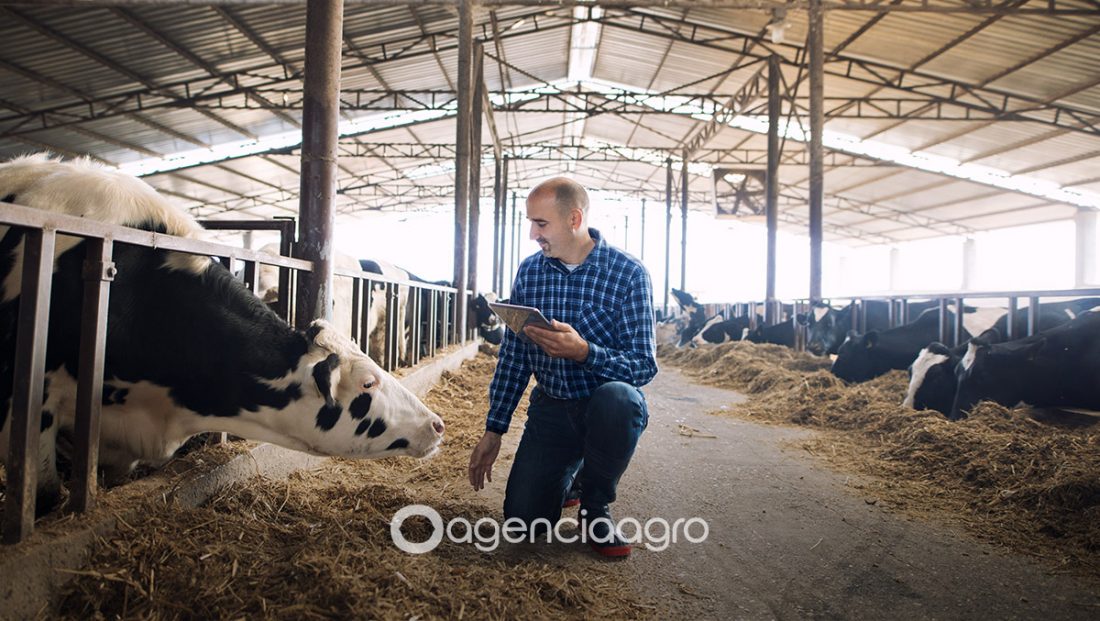
How Data and technology can help dairies and livestock farmers to streamline how care for their cows and improve the milking times
The dairy and livestock farming industry is rapidly evolving, with new technologies and data-driven solutions transforming how farmers care for their cows and manage their operations. One area where data and technology are making a significant impact is in cow care and milking practices. By utilizing advanced technologies such as sensors, data analytics, and automated systems, farmers can streamline their processes, reduce waste, and improve overall efficiency.
In this editorial, we will explore how data and technology can help dairies and livestock farmers to streamline how they care for their cows and improve milking times. We will highlight some of the latest innovations in this area, including the use of sensors, automated milking systems, and data analytics. We will also discuss the benefits that these technologies can bring to farmers, including increased productivity, reduced labor costs, and improved animal welfare.
How Data and Technology Can Help Dairies Go with the Flow
As the dairy industry continues to grow, farmers are under increasing pressure to find ways to manage their operations more efficiently. One of the key challenges in this area is managing the flow of cows through the milking process. With larger herds and more complex milking routines, it can be challenging to ensure that each cow is milked efficiently and effectively.
To address this issue, many farmers are turning to data and technology solutions. For example, some farms are using sensors to track the movements of their cows, allowing them to identify when each cow is ready to be milked. This data is then used to create more efficient milking schedules, reducing waiting times and improving overall productivity.
Automated milking systems are another technology that can help dairies go with the flow. These systems can milk cows without the need for human intervention, reducing labor costs and freeing up farmers to focus on other tasks. Some automated systems can also monitor the quality of milk produced by each cow, allowing farmers to identify potential issues early on and take corrective action.
Finding Cows in the Stable Made Easy
Another challenge that farmers face is keeping track of their cows. With larger herds, it can be difficult to ensure that each cow receives the care and attention that it needs. To address this issue, many farmers are turning to data and technology solutions to help them track their cows more effectively.
One such solution is the use of sensors that are attached to each cow’s ear. These sensors can track the cow’s movements and location within the stable, allowing farmers to identify where each cow is at any given time. This data can then be used to create more efficient feeding and milking schedules, reducing waiting times and improving overall productivity.
In addition to sensors, some farms are using automated feeding systems to help manage their herds more effectively. These systems can be programmed to provide each cow with the appropriate amount of feed and water, ensuring that each animal receives the care and attention that it needs.
Improving Milking Times with Data Analytics
One of the most significant benefits of data and technology solutions for dairies and livestock farmers is the ability to collect and analyze data to identify opportunities for improvement. For example, data analytics can be used to identify trends in milking times, allowing farmers to optimize their processes and reduce overall milking times.
Milking is a crucial aspect of dairy farming, and the time taken to milk a cow can significantly impact the overall efficiency of the operation. Traditional methods of milking have been labor-intensive and time-consuming, leading to increased costs and reduced profitability for farmers. However, with the advancements in technology, data analytics can be used to streamline the milking process and improve milking times.
Milking a cow involves a series of steps, including pre-milking preparation, milking, post-milking teat treatment, and cow release. The duration of each of these steps can impact the overall milking time. With the help of data analytics, farmers can identify the areas where the milking process can be optimized to reduce the time taken for each step.
One of the most significant advantages of using data analytics for milking is the ability to track the milk output of each cow. By using sensors attached to milking equipment, farmers can collect data on the milk yield of each cow during each milking session. This data can then be analyzed to identify cows with a higher milk output and those that may require additional attention to increase their milk yield. By identifying cows with a higher milk output, farmers can prioritize milking these cows first, reducing the overall milking time.
Another way data analytics can improve milking times is by identifying cows that require additional attention during milking. By analyzing data on the behavior of cows during milking, farmers can identify cows that may require additional pre-milking preparation or post-milking teat treatment. This can help to reduce the time taken for each milking session, resulting in increased efficiency and profitability.
Furthermore, data analytics can also be used to identify patterns in cow behavior that may indicate health issues. For example, cows that are in pain may exhibit different behavior patterns during milking. By analyzing data on cow behavior, farmers can identify cows that may require additional attention from a veterinarian, reducing the risk of health issues and improving overall cow health.
Using technology such as automated milking systems, farmers can also streamline the milking process by reducing the need for human intervention. Automated milking systems use sensors to identify cows and attach milking cups automatically, reducing the time taken for pre-milking preparation. These systems can also detect when the cow has finished milking and detach the milking cups automatically, reducing the time taken for post-milking teat treatment and cow release.
In conclusion, data analytics can play a significant role in improving the milking times of cows and streamlining the overall milking process. By using data analytics, farmers can identify areas where the milking process can be optimized, such as identifying cows with higher milk output, reducing the time taken for pre-milking preparation, and detecting cows that require additional attention. Automated milking systems can also help to reduce the time taken for pre-milking preparation and post-milking teat treatment. The use of data analytics and technology can lead to increased efficiency, profitability, and improved cow health for dairy farmers.
FAQs
Q: How can data analytics help improve cow health?
A: By analyzing data on cow behavior, farmers can identify patterns that may indicate health issues, such as cows that are in pain. This can lead to early identification of health issues and reduce the risk of complications.
Q: Can automated milking systems replace human labor?
A: While automated milking systems can reduce the need for human intervention during milking, they still require human oversight and maintenance.
Q: What are the benefits of improving milking times?
A: Improved milking times can lead to increased efficiency, reduced costs, and improved profitability for dairy farmers.
With more than 20 years of experience, AgenciaAGRO helps you increase your sales, connect with potential customers and position your brand in the digital environment. Our solutions range from Digital Marketing, Demand Generation Strategies and Acceleration through Sales Channels, Advertising and Creative Communication on Traditional and Digital Platforms, Social Networks, Web Design, Mobile Applications and Electronic Commerce to Consulting, Brand Development and Strategic planning. Our solutions aim at the digital transformation of Agribusiness. We believe that there are no limits for this sector to expand its achievements and see its business prosper, evolving to a new level.
Shall we develop a marketing strategy for your Agribusiness to take off? Contact us and let’s start a path of good harvests.